
.svg)




.svg)


April 13, 2026
written by
Stephen Disbrey
Construction sites are among the most physically demanding and hazardous workplaces in the United States. Workers regularly operate heavy equipment, work at elevated heights, handle hazardous materials, and perform tasks in environments that can change quickly throughout the day.
Due to these risks, the Occupational Safety and Health Administration, commonly known as OSHA, has established detailed safety standards designed to protect construction workers and reduce workplace injuries.
Understanding these requirements is an important part of maintaining a safe job site. At CADUCEUS, we help support these efforts by providing injury care, medical evaluations, and safety related health services that help construction teams stay compliant and protected.
Why Construction Safety Matters
Construction environments are constantly evolving. A site that is safe at the start of the day can quickly change as materials move, equipment shifts, or new work phases begin.
Common construction hazards include:
- Falls from elevated surfaces
- Electrical exposure
- Equipment related injuries
- Falling objects or debris
- Trenching and excavation collapses
According to OSHA data, falls remain the leading cause of fatal injuries in the construction industry. Many OSHA construction regulations focus on hazard prevention, training, and protective equipment.
By following these standards, construction companies reduce the likelihood of serious injuries, limit project delays, and create safer working conditions for employees.
Hazard Communication
Key requirements include:
- Clear labeling of hazardous materials
- Accessible Safety Data Sheets for each chemical
- Employee training on chemical risks and safe handling procedures
- Respiratory protection when airborne hazards are present
Personal Protective Equipment (PPE)
Common PPE in construction includes:
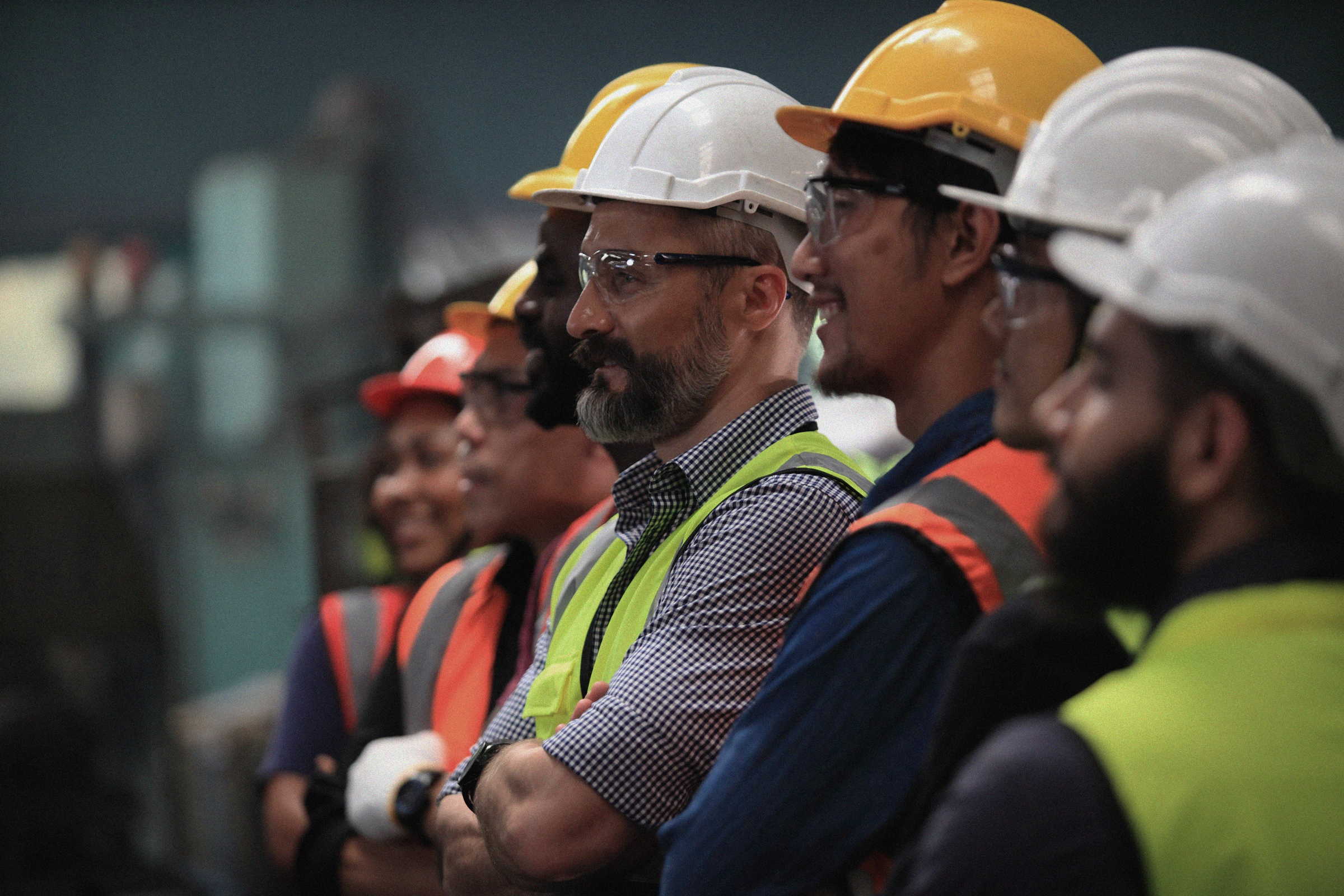
- Hard hats for protection from falling objects
- Safety glasses or goggles for eye protection
- Hearing protection in high noise environments
- Gloves and protective footwear
- Respirators when dust or fumes are present
Fall Protection
Common protection methods include:
- Guardrail systems along elevated edges
- Safety net systems below work areas
- Personal fall arrest systems, such as harnesses and lanyards
- Worker training on proper equipment use
Scaffolding Safety
Key safety practices include:
- Scaffolds capable of supporting four times the intended load
- Inspection by a competent person before each shift
- Safe access using ladders or ramps
- Worker training on scaffold uses and hazard awareness
Ladder Safety
OSHA recommended safety practices include:
- Selecting the correct ladder for the job
- Inspecting ladders before each use
- Maintaining three points of contact while climbing
- Avoiding standing on the top rung
Trenching and Excavation Safety
Required safety measures include:
- Protective systems such as sloping, shoring, or trench boxes
- Daily inspections by a competent person
- Safe entry and exit points for trenches deeper than four feet
- Protection for nearby structures and utilities
Heavy Equipment and Crane Safety
Key requirements include:
- Trained and certified equipment operators
- Regular equipment inspections
- Observing manufacturer load limits
- Use of trained signal personnel
- Clear safety zones around operating equipment
How CADUCEUS Supports Construction Safety
Occupational health providers are an important partner in construction safety and compliance.
CADUCEUS supports construction companies through services such as:
- Work injury treatment and care coordination
- Pre-employment and fit for duty physical examinations
- Respirator medical evaluations
- Hearing conservation testing
- Drug and alcohol testing programs
- Return to work evaluations and documentation
These services help construction companies maintain health in the workforce while supporting OSHA aligned safety programs.
The Bottom Line
Construction work will always involve a certain level of risk. However, following OSHA safety standards significantly reduces the likelihood of serious injuries on the job site.
When employers combine strong safety programs with occupational health support, they create safer working environments and healthier workforces.
At CADUCEUS, Occupational Medicine Done Right © means helping construction companies protect their workers, maintain compliance, and respond quickly when injuries occur.
Cited Sources
1) https://www.osha.gov/hazcom
2) https://www.osha.gov/healthcare
3) https://www.osha.gov/personal-protective-equipment/construction
4) https://www.thehortongroup.com/resources/what-are-the-key-osha-standards-for-construction-safety/
5) https://medcor.com/workplace-safety/osha-fall-protection/
6) https://biljax.com/osha-scaffolding-regulations-compliance-and-safety-guidelines
7) https://www.osha.gov/laws-regs/regulations/standardnumber/1926/1926.1053
8) https://teamohs.com/understanding-oshas-requirements-for-construction-safety/
9) https://www.nahb.org/advocacy/public-toolkits/trenching-and-excavation-toolkit
10) https://jobsitecare.com/blog/managing-occupational-health-in-construction-best-practices/

.jpeg)


